
HVAC GuidesMaintenance
How to Maintain Your AC Condensate Drain in Florida
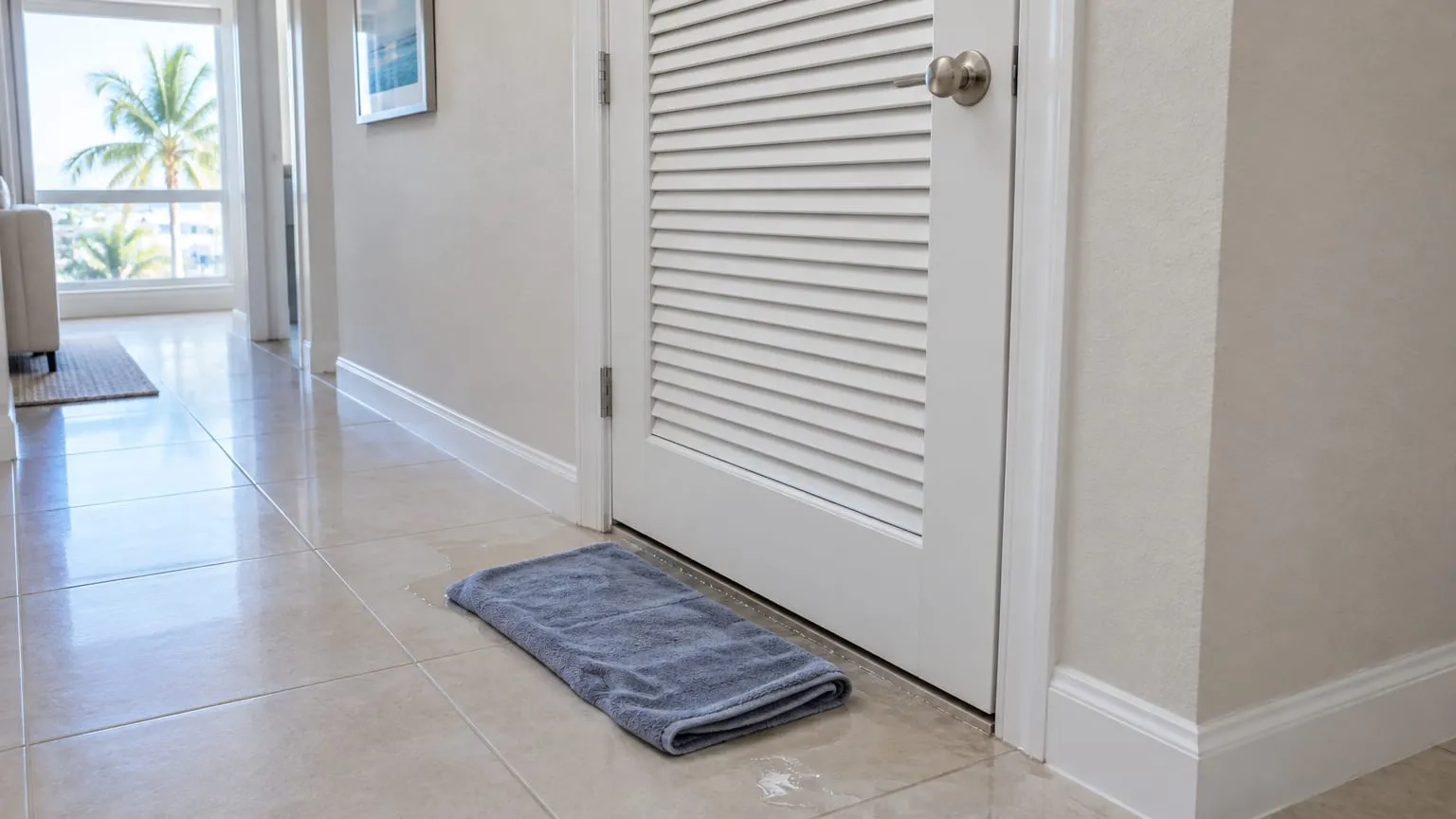
Why your AC condensate drain needs regular attention
Your air conditioner does more than cool the house. As warm, humid indoor air passes over the cold indoor coil, moisture condenses and drains away through a small pipe. In Florida, that process happens often, which makes the condensate drain one of the most important small parts of the HVAC system.
When the drain line slows or clogs, water can back up into the air handler or overflow pan. Depending on where the equipment sits, that can mean water damage, higher indoor humidity, an air conditioner that shuts off, or a musty odor near the unit. A little preventive attention is far easier than discovering a leak after it has reached a ceiling, wall, or closet.
Know the parts you are looking at
Before doing any maintenance, identify the accessible parts of your own system. Configurations vary, so do not assume every white PVC pipe is a condensate line.
The primary drain line
This is the main path that carries water from the indoor coil or drain pan to an approved discharge point. In many homes, it exits outdoors or ties into a plumbing drain. You may see a capped cleanout fitting near the air handler, but its location and use differ by installation.
The secondary drain or overflow protection
Many systems have a secondary drain, an auxiliary pan, a float switch, or a combination of these safeguards. They are designed to give a warning or stop the system before water overflows. If you see water coming from a conspicuous secondary outlet, or your AC suddenly stops because a safety switch has activated, treat it as a warning that needs attention rather than bypassing the device.
The drain pan
The primary pan sits inside the equipment beneath the coil. An auxiliary pan may sit beneath an attic-mounted air handler. Do not remove equipment panels or reach into the unit unless you have been shown how to do so safely. A technician can inspect areas that are not readily accessible without disturbing wiring or refrigerant components.
A simple homeowner maintenance routine
The goal is to spot trouble early and keep dirt from entering the system. These steps are appropriate for most homeowners, but your installation manual and your HVAC technician’s guidance take priority.
Check the system area once a month
While the AC is running regularly, look around the indoor unit and any accessible drain piping. Watch for water, damp drywall, staining, a swollen cabinet base, algae-like buildup at a cleanout, or a new musty smell. If the air handler is in a garage, closet, or utility room, keep stored items away from the unit so a small leak will be easier to notice.
Keep the filter clean
Check the air filter every month and replace it when dirty. A neglected filter can contribute to airflow and coil problems that make the whole system work harder. It is not a direct drain-line cleaner, but filter care is part of keeping the indoor side of the system in good condition.
Watch the drain discharge point
If you know where the primary condensate line terminates, keep that visible area clear of mulch, leaves, soil, and stored items. Do not glue caps onto an open line or block it to stop dripping. Water leaving the primary line while the system is cooling can be normal.
At a Palm Coast home, outdoor landscaping and stored patio items can gradually hide the outlet. A quick visual check during the humid season can help you recognize an unexpected change before it becomes an indoor water problem.
Use only maintenance your installer has approved
There is no one cleaning liquid or flush procedure that is right for every air handler and drain arrangement. If your HVAC company has shown you an approved cleanout point and given you specific instructions, follow those directions exactly. Do not pour bleach, harsh chemicals, or unapproved products into the system, and do not push wire, pressure, or improvised tools through the line. Those actions can damage fittings, create leaks, or move a blockage to a harder-to-reach place.
If you are not certain where the line goes or whether a cleanout is intended for homeowner use, leave clearing the line to a professional. At your next service visit, ask the technician to point out the primary drain, secondary protection, and the correct discharge location for your system.
Warning signs of a clogged condensate drain
Schedule service promptly when you see any of the following:
- Water on the floor, in the auxiliary pan, or near the indoor unit
- A stain, drip, or damp area on a ceiling below an attic air handler
- The air conditioner stops running even though the thermostat calls for cooling
- A persistent musty smell around the air handler or nearby vents
- Unexpected water from a secondary drain outlet or overflow pipe
- Indoor humidity that suddenly feels higher than usual
- Visible buildup around an accessible drain opening
Do not keep resetting the thermostat or bypassing a float switch to get the system running. The shutdown may be protecting your home from an overflow. A qualified technician can clear the blockage, confirm proper drainage, and identify whether a dirty coil, installation issue, damaged pipe, or other cause contributed to the problem.
Why this matters especially in Florida
During long stretches of hot, humid weather, an AC system can remove a steady amount of moisture from indoor air. That gives biological growth and debris more opportunity to collect in a drain line or trap. Homes that sit empty part of the year may also have a problem that goes unnoticed until cooling demand returns.
For homes near Flagler Beach or along A1A, the same rule applies: focus on moisture control before odors or visible water become a larger issue. Coastal air does not make every drain line fail, but Florida’s humid cooling season makes dependable drainage essential in every part of Flagler County.
What a professional should check
During routine HVAC service, ask the technician to inspect and test the condensate drainage system. That can include the drain pan, line, trap where applicable, float switch or other safety device, cleanout, discharge point, and the indoor coil area. The technician can also look for the cause of recurring clogs instead of treating each blockage as an isolated event.
If an attic unit has overflow protection, make sure you know what its warning looks like. Some systems stop cooling when a safety switch detects water; others may send water through a visible secondary drain. Knowing your system’s signal can help you respond before water reaches finishes below the attic.
A practical schedule
| Timing | What to do |
|---|---|
| Monthly during cooling season | Check the filter, air-handler area, and visible drain outlet. |
| At seasonal HVAC service | Have the drain, pan, and safety protection inspected and tested. |
| Any time water or a shutdown appears | Turn to a qualified HVAC professional promptly. |
Keeping the condensate drain in mind does not require complicated DIY work. Regular observation, a clean filter, and professional maintenance are usually the right combination for protecting your comfort and your home.
Need professional help? Browse HVAC companies serving Flagler County.